Plugging the Gaps: Can Britain's Charging Network Handle a Spontaneous Road Trip in 2026?
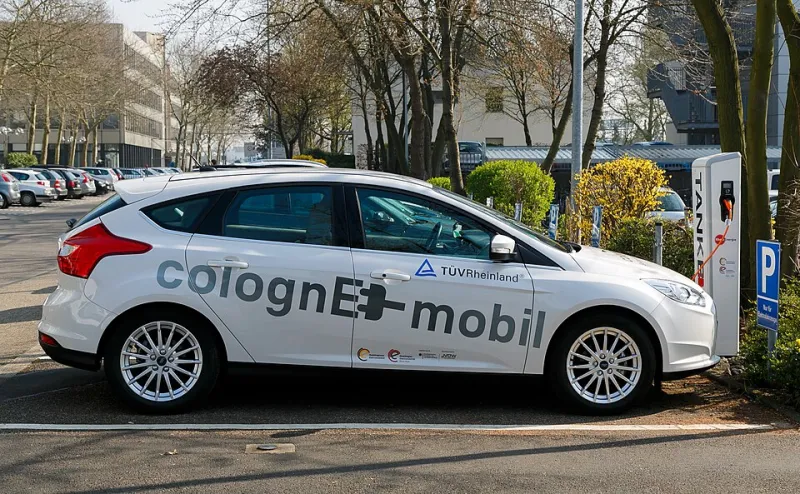
Photo: CEphoto, Uwe Aranas, CC BY-SA 3.0, via Wikimedia Commons
There's a specific kind of optimism that only survives until you're stood at a two-bay charger outside a Spar in rural Perthshire at 9pm in January, waiting for a Nissan Leaf to hit 80 per cent. That's the reality check nobody puts in the brochure.
So where are we, honestly, in 2026?
The good news: the motorway spine works
The backbone is no longer the weak point. Between Gridserve's electric forecourts, InstaVolt, Osprey, MFG EV Power, Ionity and a Tesla network that's now largely open to other brands, the M6, M1, M4, M5 and A1 corridors have enough high-power capacity that most drivers can stop at two or three options per services and get a decent rate.
Rates are the key bit. A 150kW-plus rapid means twenty-five minutes is a real charge, not a hypothetical one. Zapmap's live counters put the UK past the eighty-thousand-connector mark, with the ultra-rapid slice growing fastest — and crucially, more of those are where people actually travel, not in a car park behind a hotel in a town nobody visits.
The other quiet win: contactless. The days of downloading a different app at every stop are mostly over. Tap, charge, leave. It sounds trivial until you remember what it was like in 2021.
The bad news: the last forty miles still don't
The problem has moved. It's no longer 'can I get from London to Manchester'. It's 'can I get from the services to the bothy, the trailhead, the campsite, and back out again without a detour of forty minutes'.
Rural coverage is patchy in a way that's invisible on a map of pins. A single 50kW unit with one working connector is technically coverage. It is not supply, and it does not survive the arrival of three cars at once on a bank holiday Saturday.
And cost is now the awkward conversation. Motorway rapid charging in the high 70s to mid 80s pence per kWh makes a long run on public networks genuinely expensive — several pence per mile more than a frugal petrol hatchback in some cases. Home charging at an overnight rate is a different world entirely, which is precisely why so many EV owners sound so smug online and so quiet when they're on holiday.
Three hubs worth planning around
Skip the obvious ones. These are the sites that consistently come up when people who actually do big mileages compare notes.
Killington Lake, M6 Cumbria. The southbound services with the best view on the network and a charging setup that has quietly become a proper stop rather than an afterthought. It sits at exactly the point where a Scotland run needs a break, and the extra capacity means you're less likely to be queuing behind someone who's leaving the car plugged in while they eat a full meal.
Braintree, Essex. A Gridserve forecourt of the old-school 'fuel station of the future' type — multiple high-power bays, a proper shop, lighting that doesn't make you feel like you've wandered into a lock-up. It's not on a scenic route, but it's a brilliant model for what an A-road charging stop should be, and it's a useful top-up before or after a run to the coast.
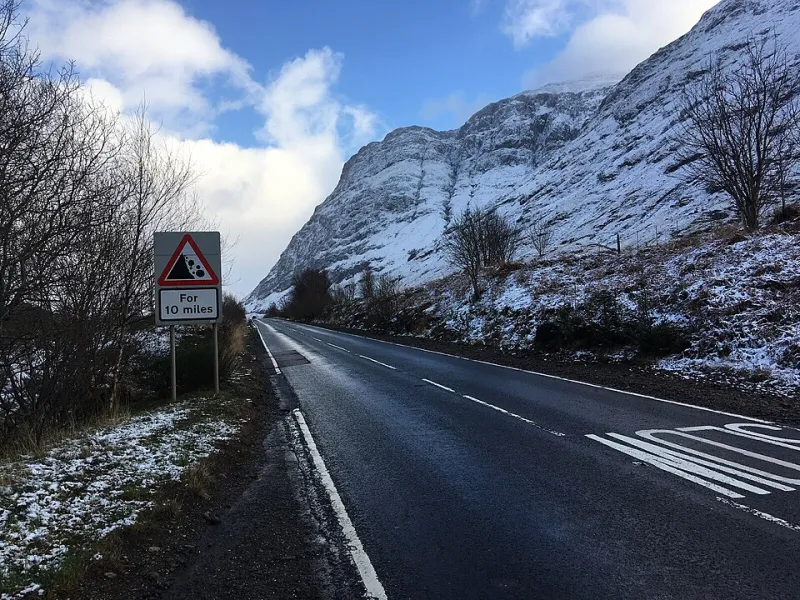
Tyndrum, on the A82. Not glamorous, not fast, but strategically priceless. If you're heading for Glencoe or Rannoch Moor, this is your last sensible place to add electrons before the landscape gets serious and the options thin out. Treat the stop as part of the trip rather than a delay — there's a reason the Green Welly is always busy.
What this means for ride-sharing
Shared cars and shared charging are a natural fit on paper, and a negotiation in practice. If the per-seat price was set around home-charging costs, a rapid-charge stop mid-route quietly doubles the driver's outlay. Sort it before departure: is the split based on distance, on actual energy used, or on a flat rate that assumes cheap top-ups?
Most reasonable answer: agree a flat seat price, and let the driver absorb the difference if they choose the expensive charger. If the group insists on a 350kW splash at motorway prices for a ten-minute saving, they should expect to contribute.
There's a second, underrated benefit too. An EV with 250 miles of range is a natural forcing function for a two-hour break, which makes long shared journeys less grim. Nobody's heroically driving six hours straight in a shared Nissan Ariya.
The petrolhead's honest verdict
If your version of a road trip is leaving at 11pm on a whim with a quarter tank and a vague plan to sleep in the car — the network isn't there yet for you. Not everywhere, not cheaply, not in the places worth going.
If your version is a planned run with two known stops, a comfortable car and a group splitting costs, 2026 is the first year where electric genuinely stops being an act of faith on UK roads. The spine works. The ribs don't always.
The sensible enthusiast answer is the boring one: keep the hot hatch for the Sunday blast and take the electric for the motorway schlep. Or accept the trade-off, plan your stops like a nerd, and be the person who arrives relaxed while everyone else is still hunting for a fuel station that hasn't been turned into flats.
It's not bust. But it isn't quite effortless either — and anyone telling you otherwise hasn't driven the A82 in January.